Wild Abundance
Bitternut hickory nuts holding onto their branches into early winter, after all the leaves have fallen
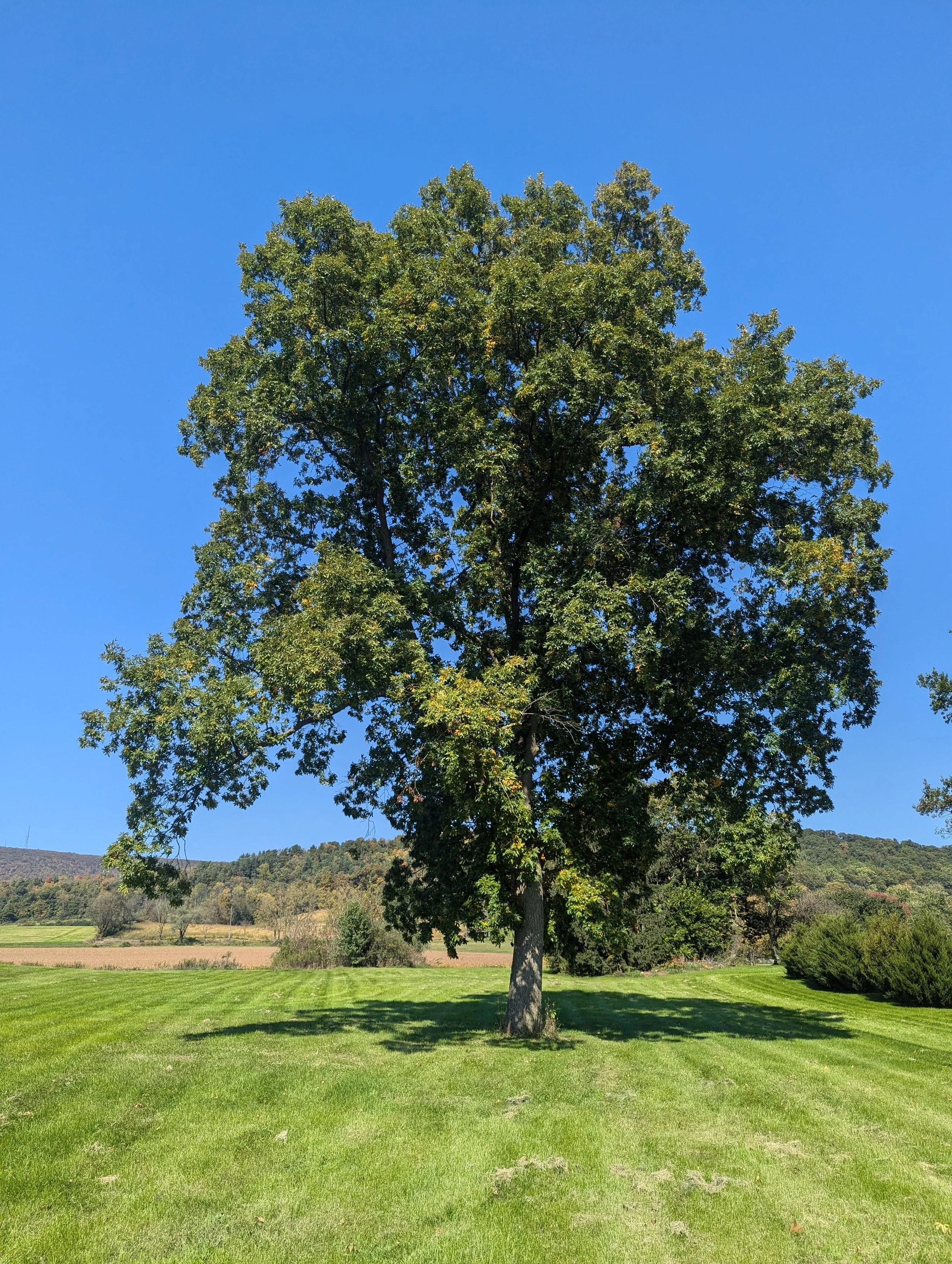
The Trees - Carya cordimormis
Bitternut hickories have the most widespread range of all the hickories, growing in eastern North America from Texas to southern Quebec. They can be found in 33 states and are often seen in floodplains, wet lowlands, and along streams, but can also be found on dry sites at elevation.
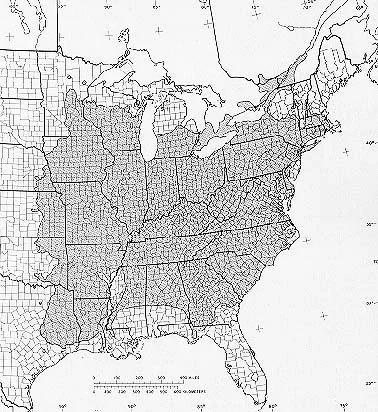
Range map from usda.gov
Bitternut hickories have been considered a subordinate “trash” species due to their tannin rich (bitter) nuts. But pre-colonization, they were probably a staple crop for thousands of years by indigenous peoples. The nuts were crushed, boiled for a long time, and the oil would rise to the surface where it could be skimmed off or decanted.
Additionally, its a common misnomer that bitternut hickories do not provide wildlife value. The nuts are consumed by squirrels, chipmunks, rabbits, deer, turkey, and others. Many gallons of bitternuts have been lost to squirrels and mice due to improper storage.
Bitternut hickory trees have several common names including the yellowbud hickory - after their unique buds - and the oilnut hickory.
Bitternuts commonly hybridize with shagbarks (carya ovata), pecans (carya illinoinensis), and pignuts (carya glabra).
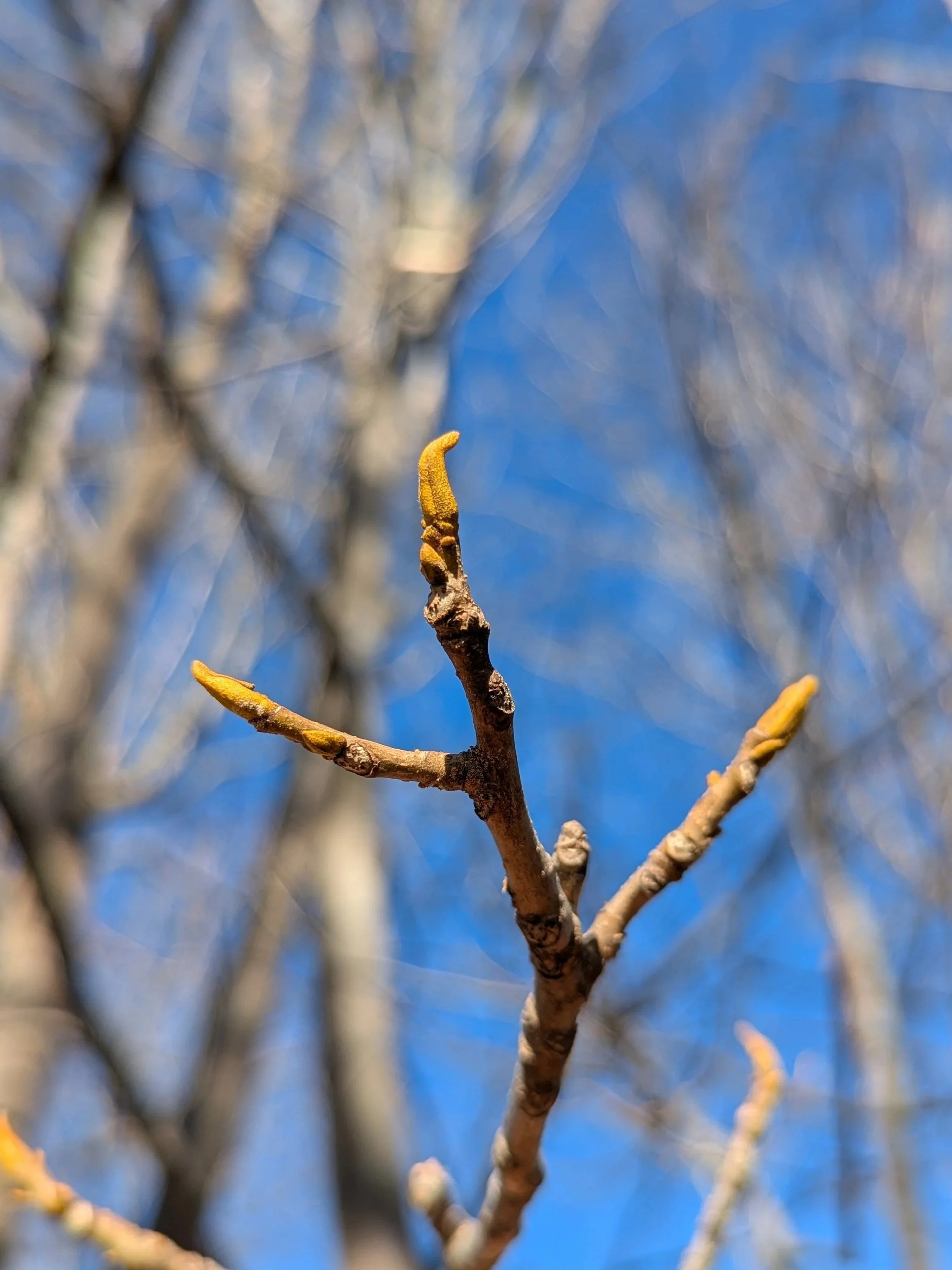
Bitternut hickories are most easily recognized by their bright, amber colored buds, and a long terminal bud shaped like a duck’s bill. Other key distinguishing features are their shallow, tightly interlaced, silvery gray bark and pinnately compound leaves with 7-9 leaflets most commonly.
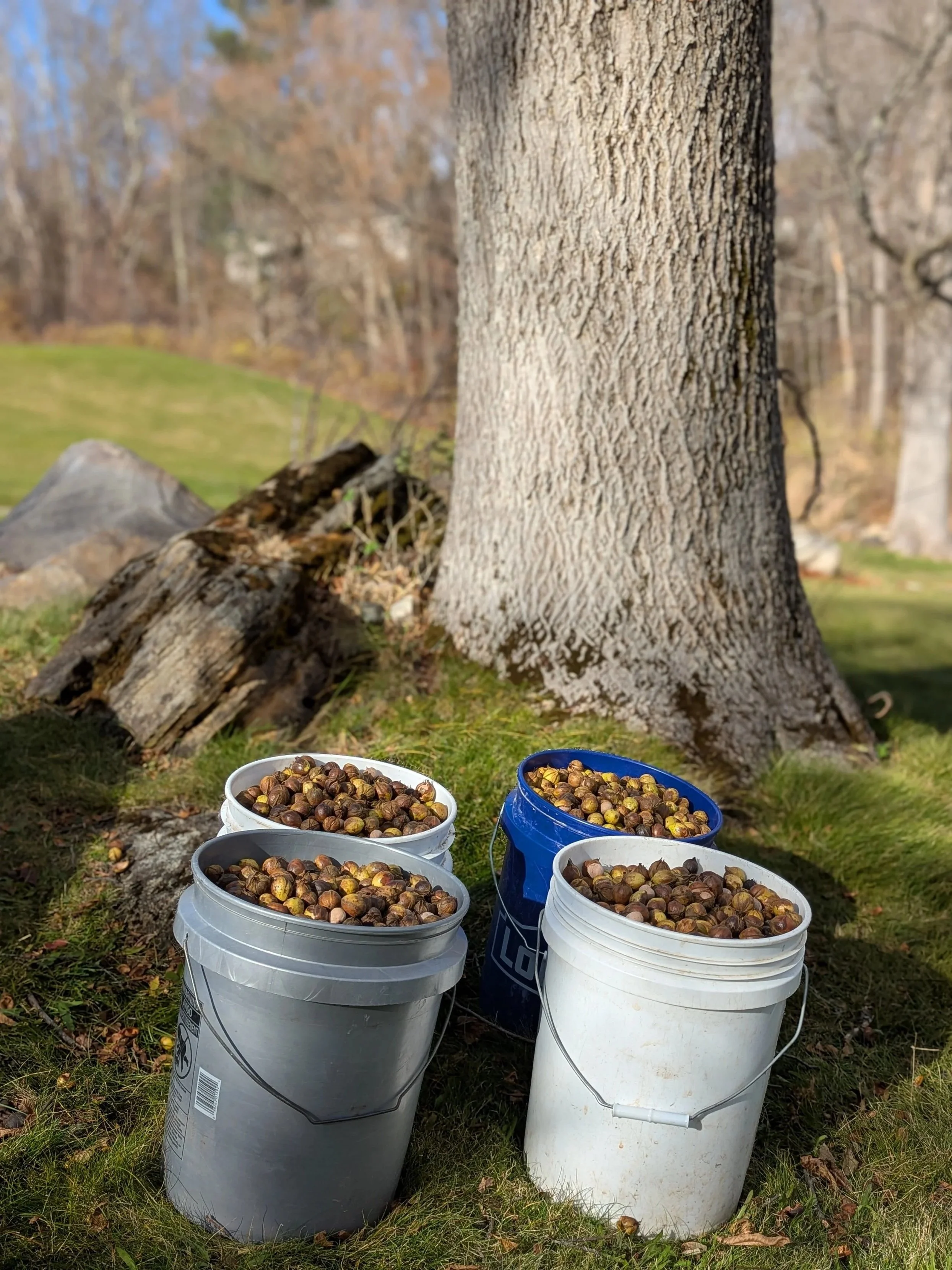
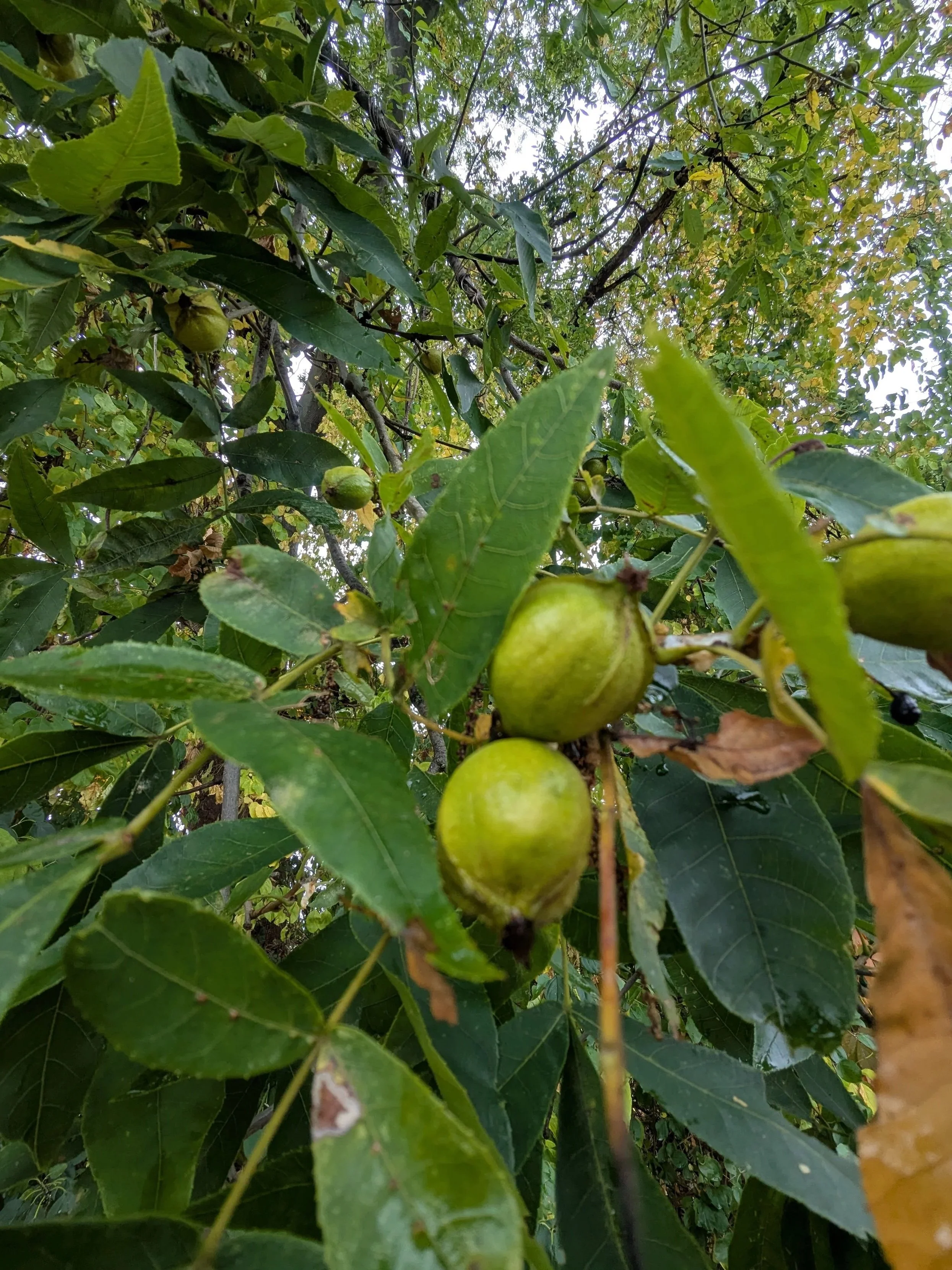
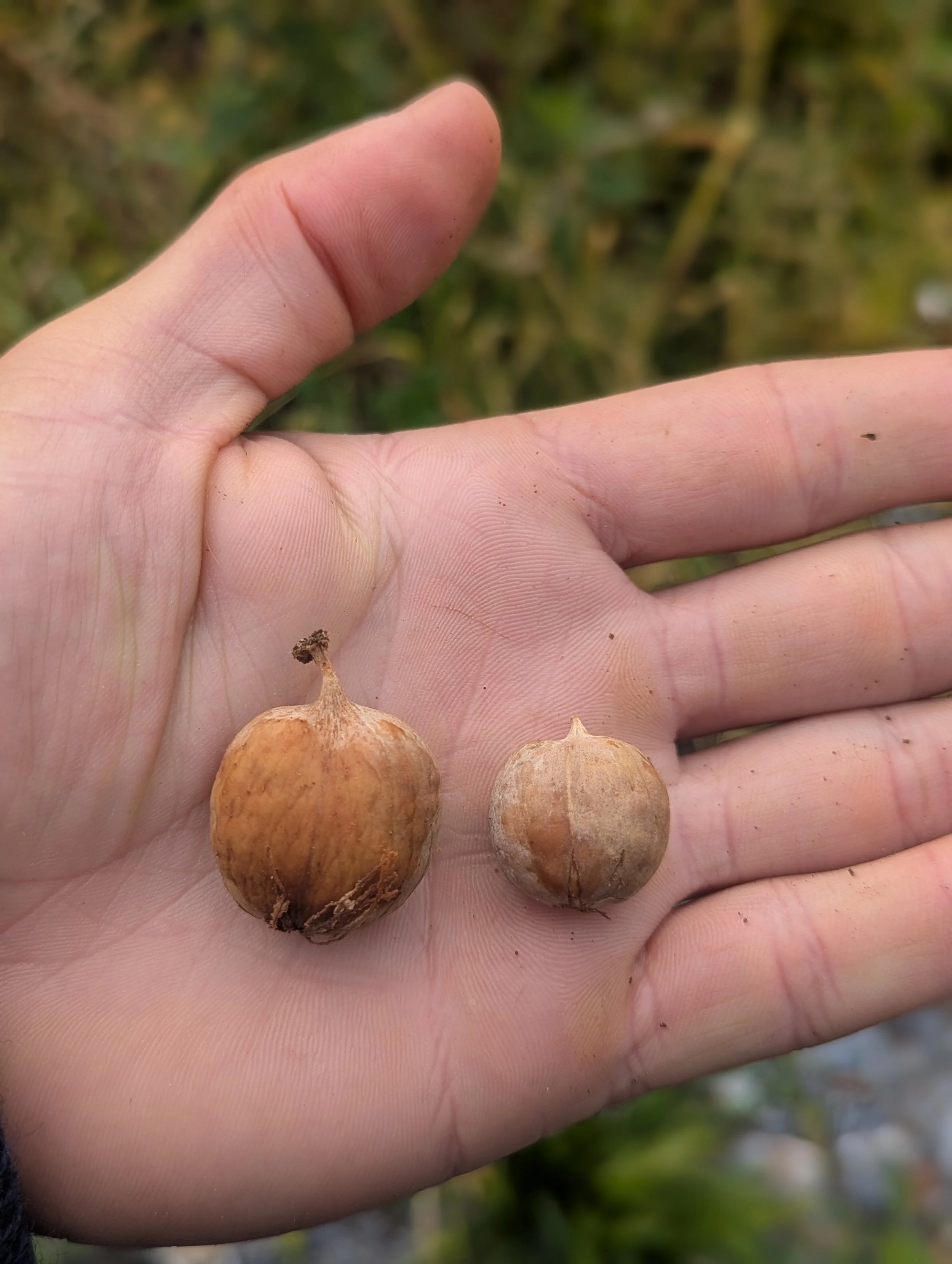
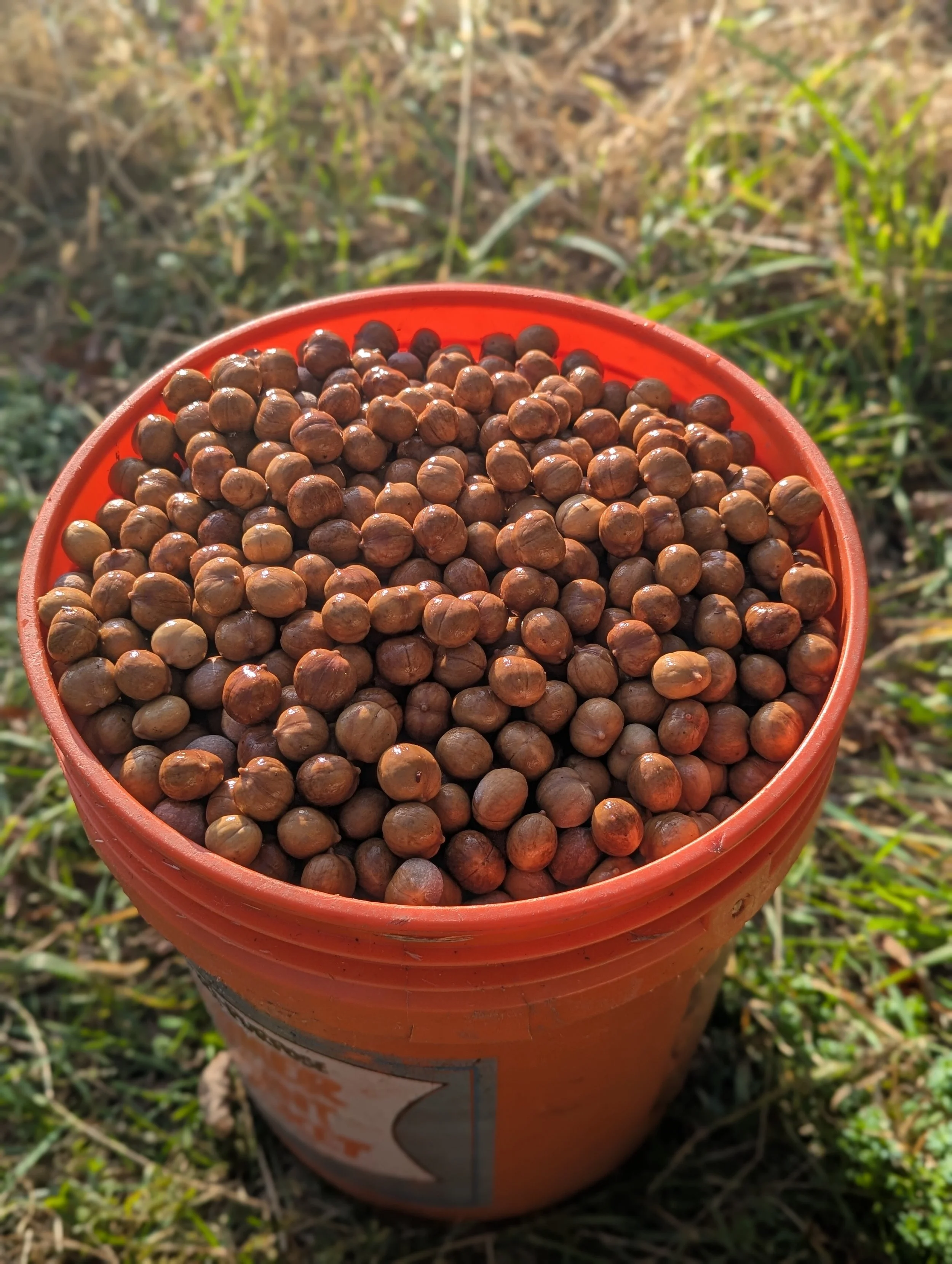
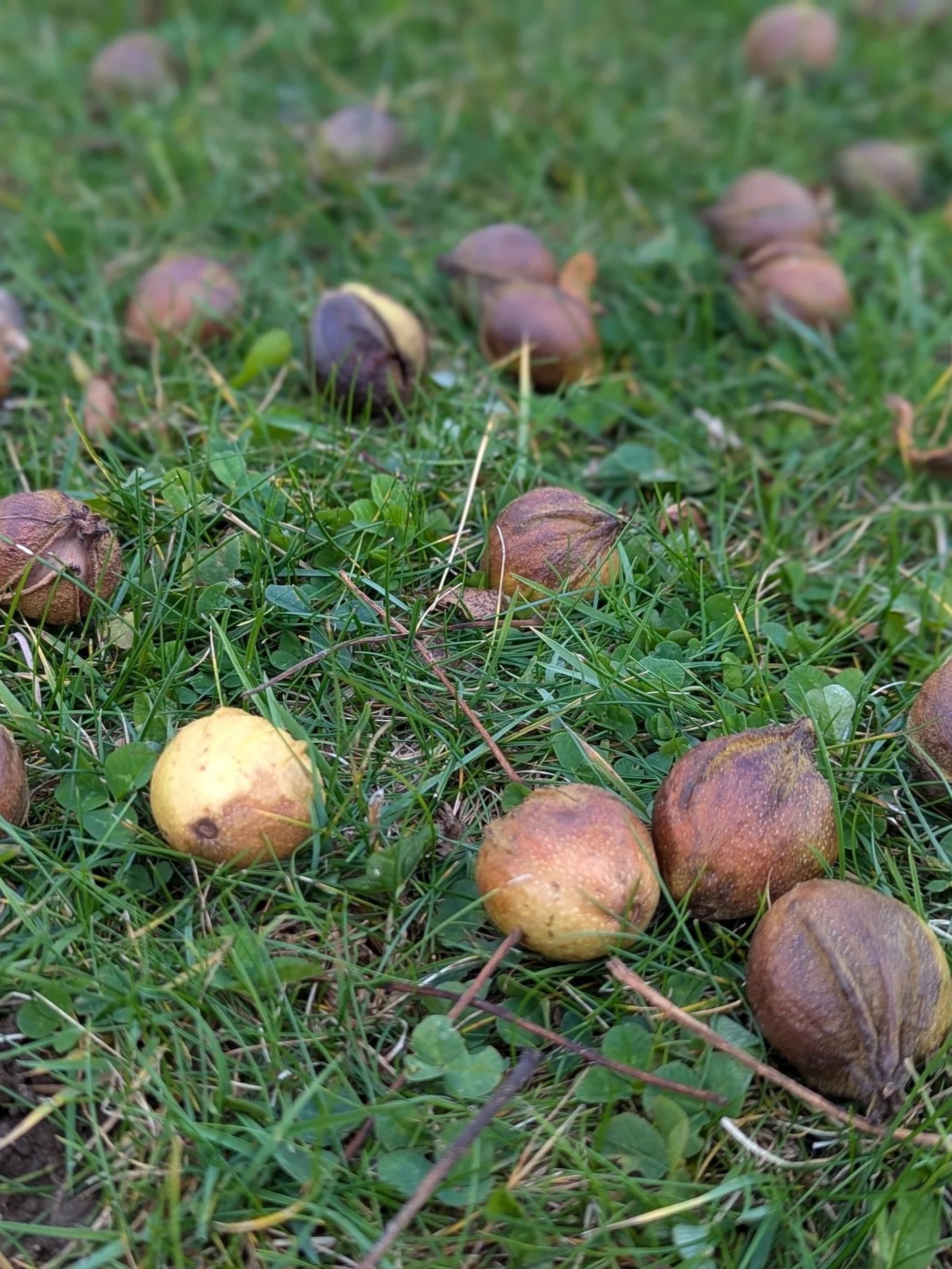
The nuts have a green husk surrounding the shell that is thin and pliable with four even ridges (4 winged) tapering out halfway down the nut. The shell is smooth and round but forms a sharp point . The shell is extremely thin and easily cracked. Inside the shell is where the magic lies. The nutmeat (kernel) is a light brown to reddish brown color composed of 75-80% oil. One 5 gallon bucket of hulled hickory nuts yields about 3/4 gallon of oil.
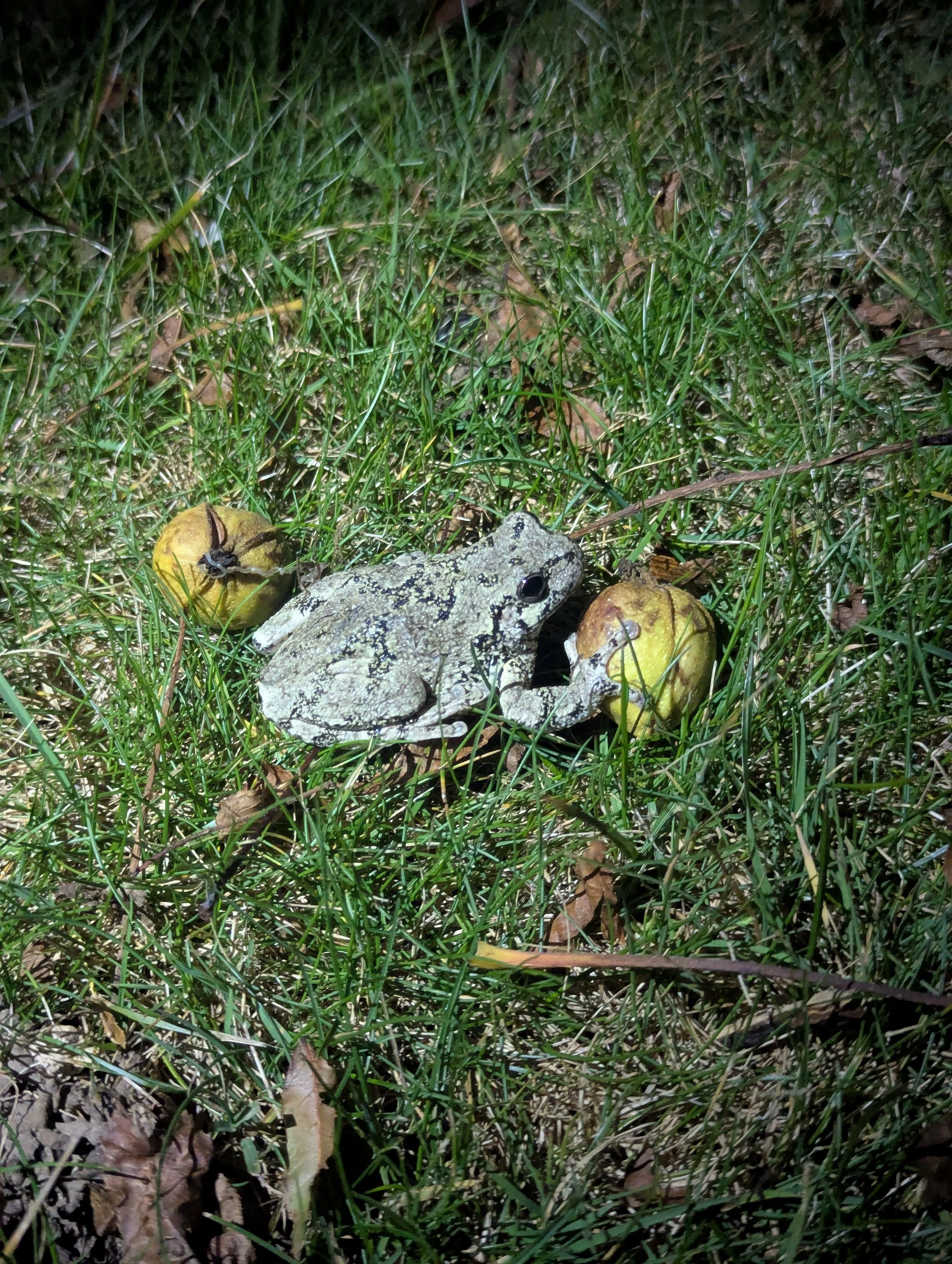
A late- hanging bitternut in the second week of November
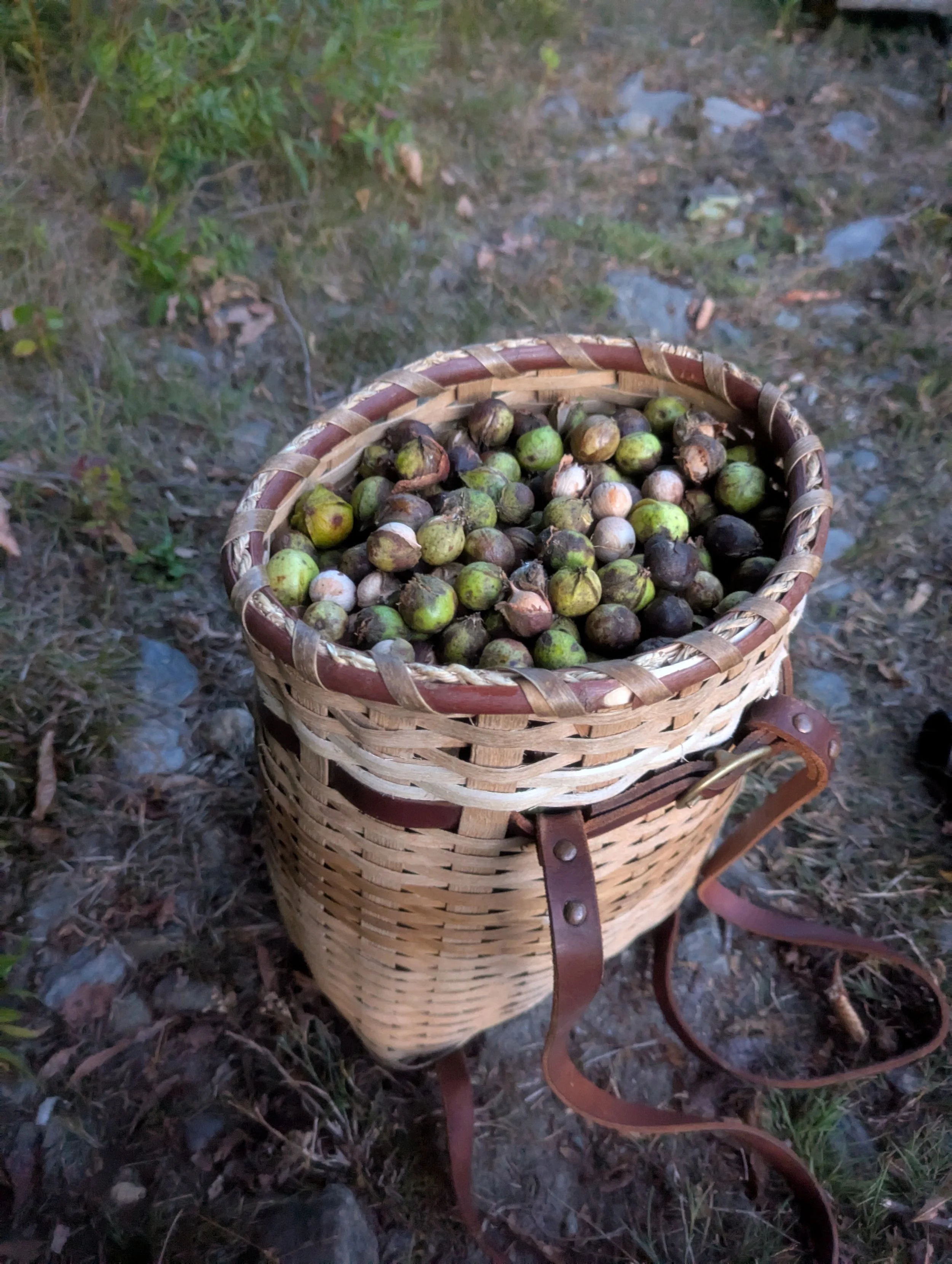
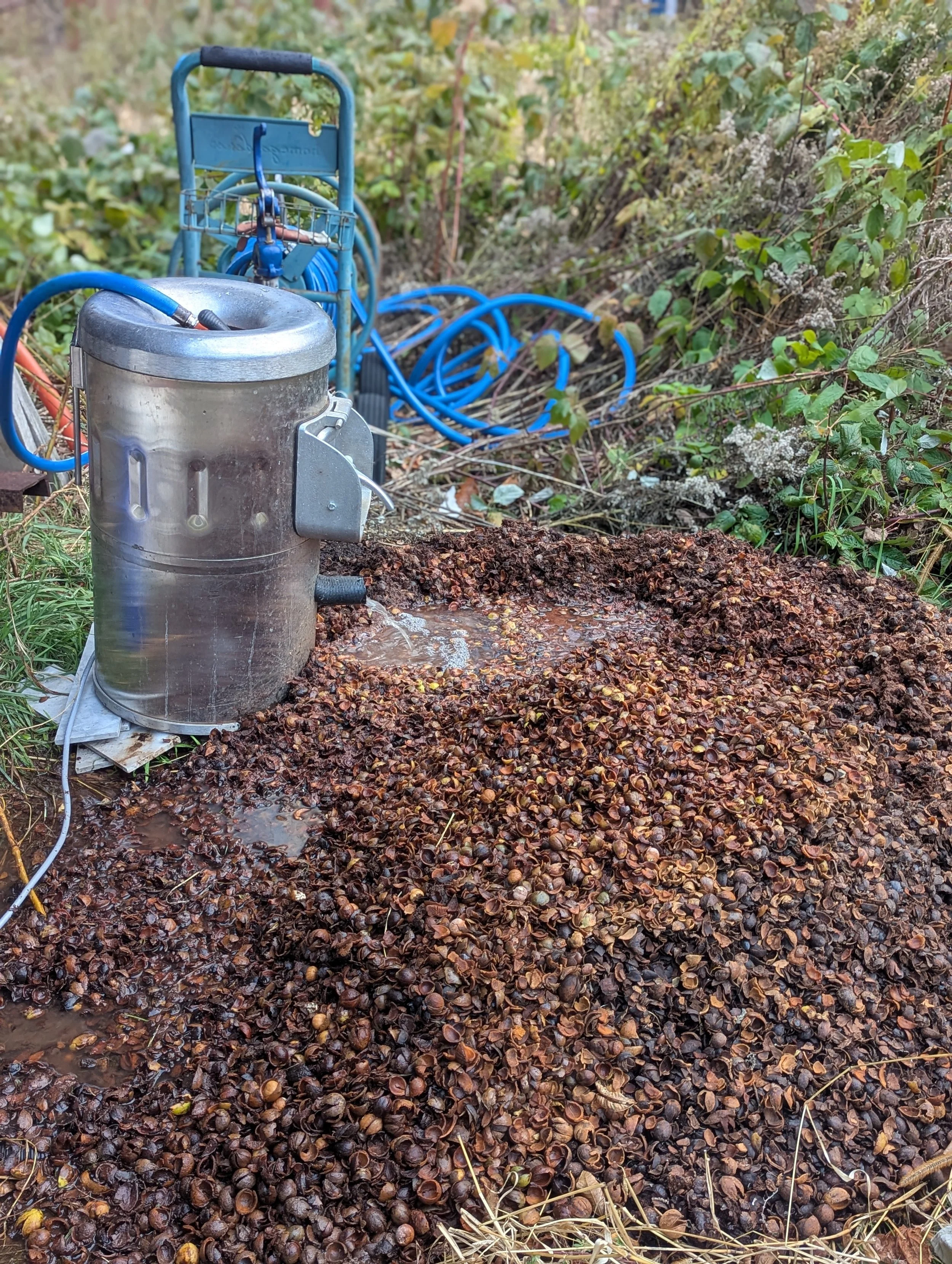
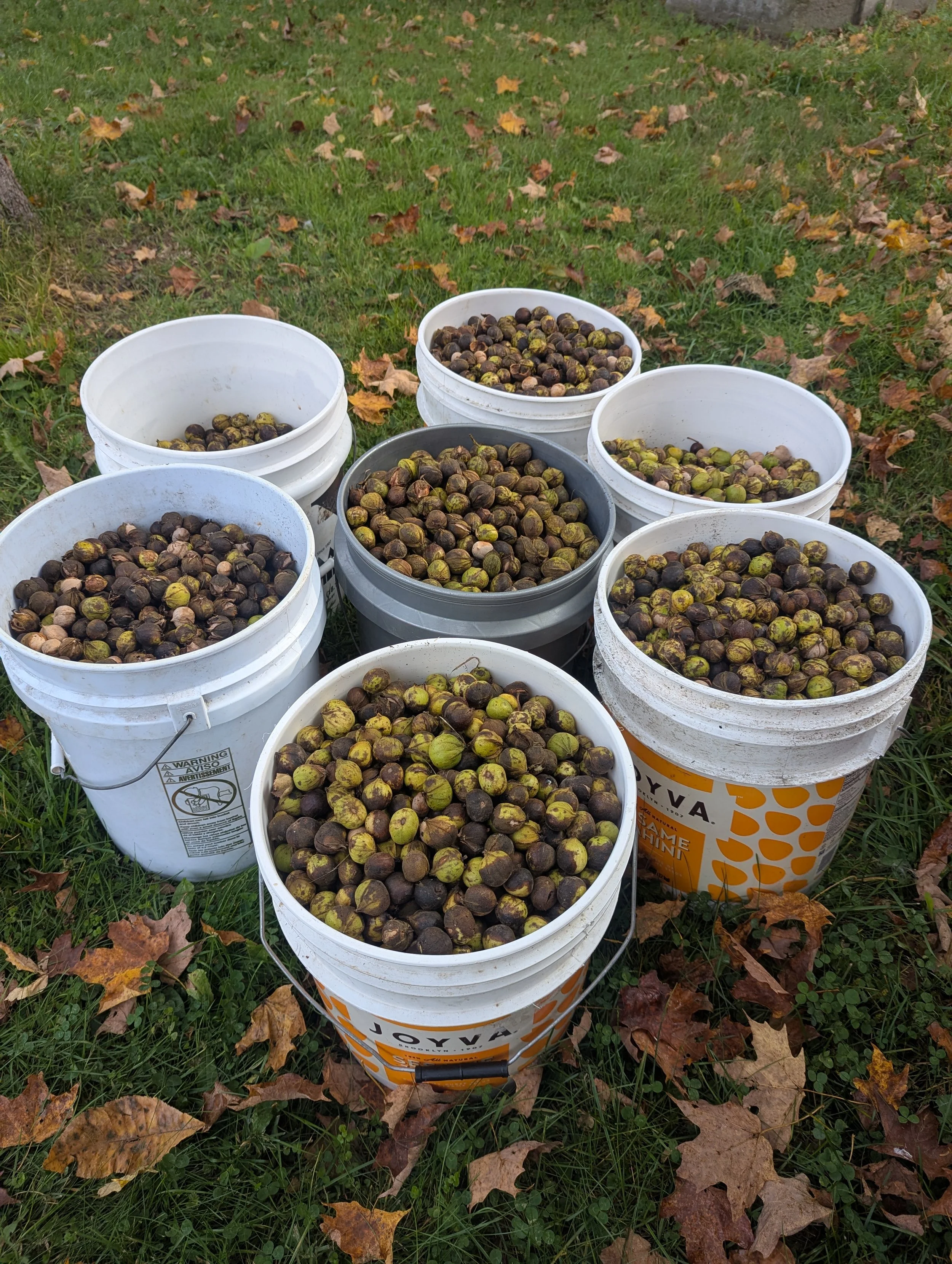
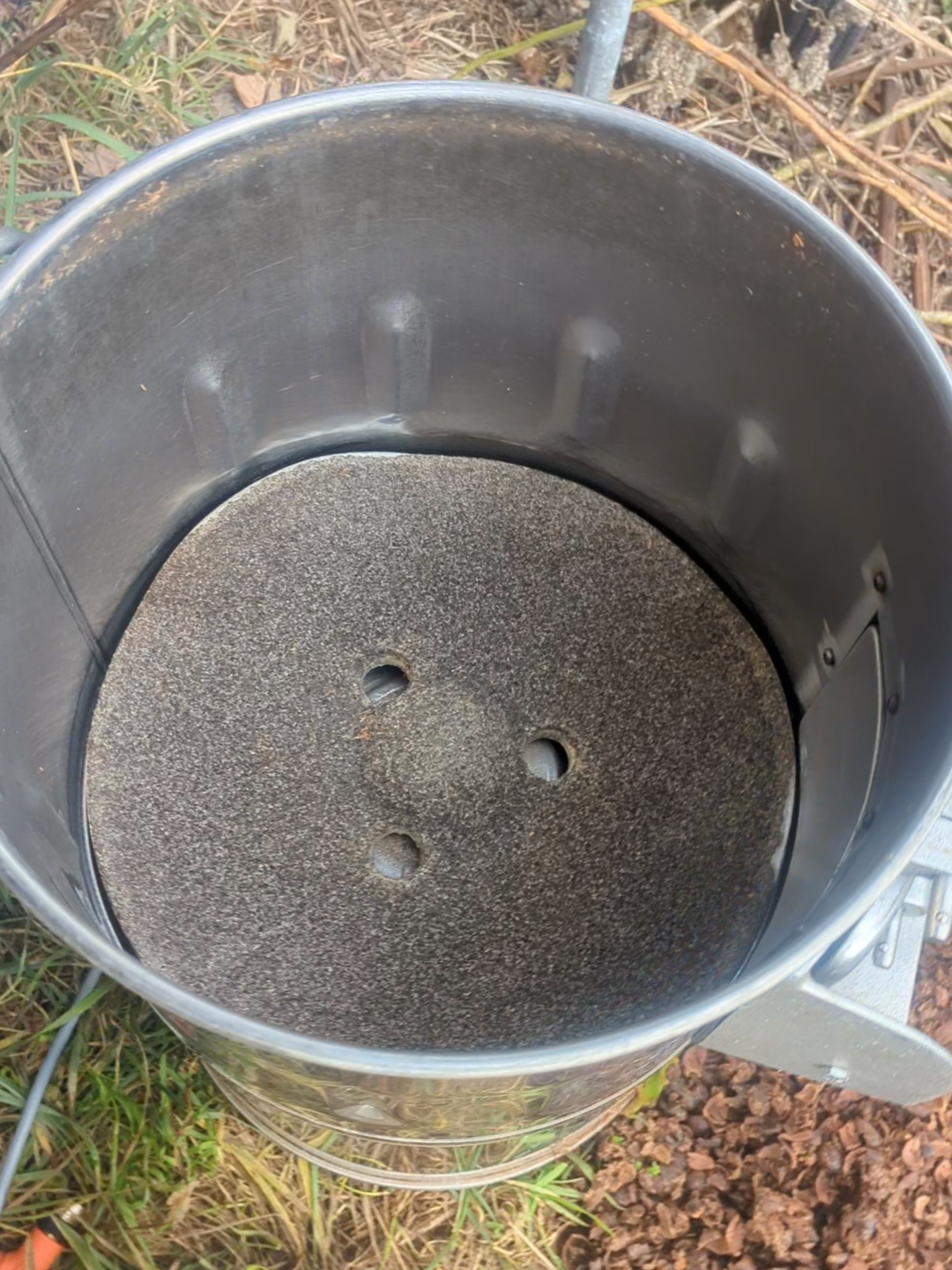
Within a week or so of harvesting, the hickories need to be hulled. The green husks protecting the nut hold considerable water - removing them is essential to prevent molding. The thin husks are easy to remove by hand, but time consuming. In 2025, we used a commercial kitchen potato peeler to speed up the process. The potato peeler uses an abrasive disc at the bottom of the container rotated at high speeds to rub off the husks. Running water flushes the husks out of the machine.
Bitternut hickories are gathered into buckets by hand or with a nut wizard. Trees with ample space and sunlight (parks, pastures, lawns, etc.) tend to yield a heavier crop than bitternuts in dense woodland settings.

After removing the husks, the bitternuts are placed into perforated harvest totes and stacked in a rodent proof place. Several fans are placed on the totes for adaquate air flow until the hickory nuts are dry.
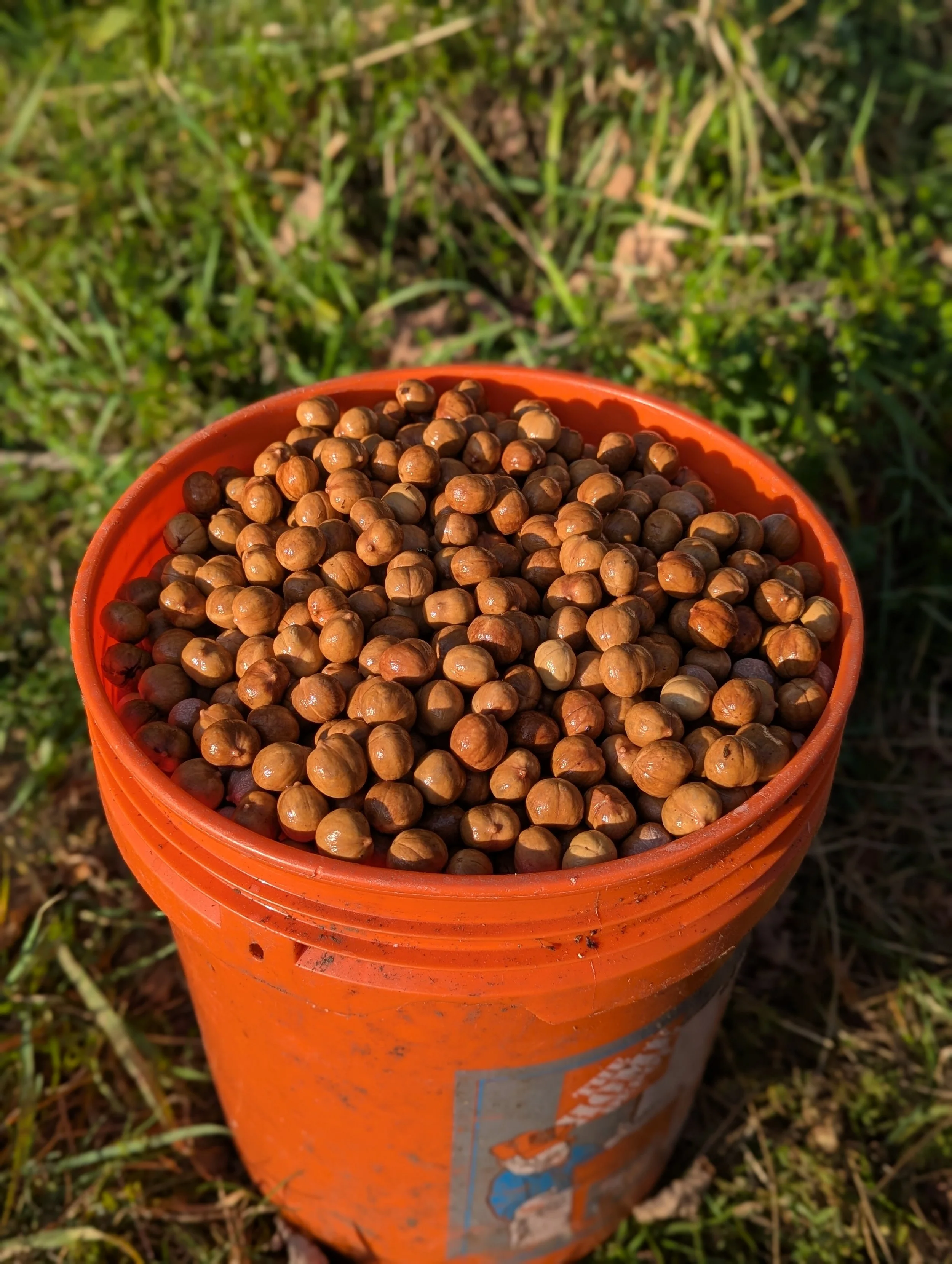
In shell hickory nuts can last a very long time, as the shell is a natural protective barrier against oxidation.
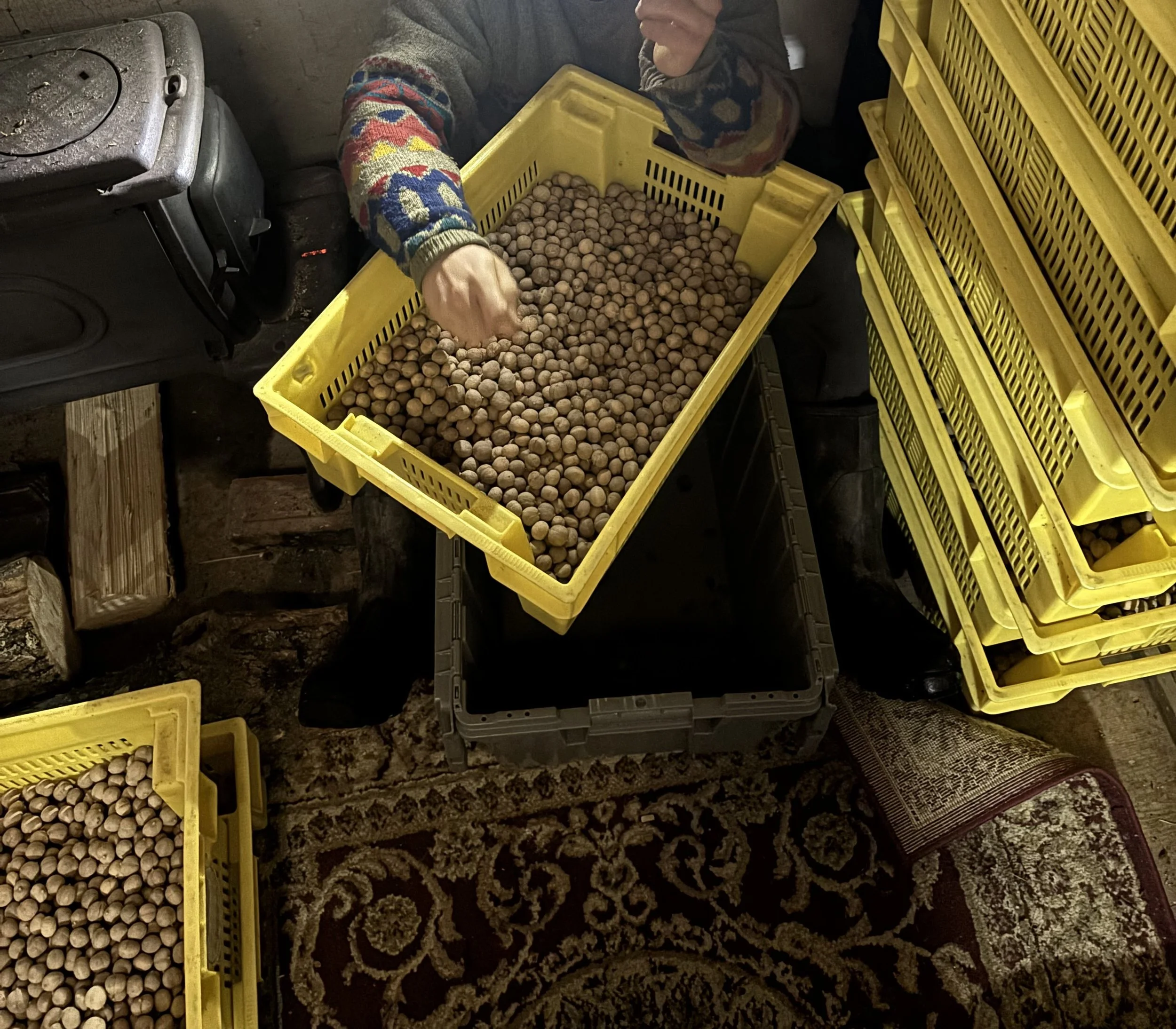
Our Process - gathering, hulling, and drying
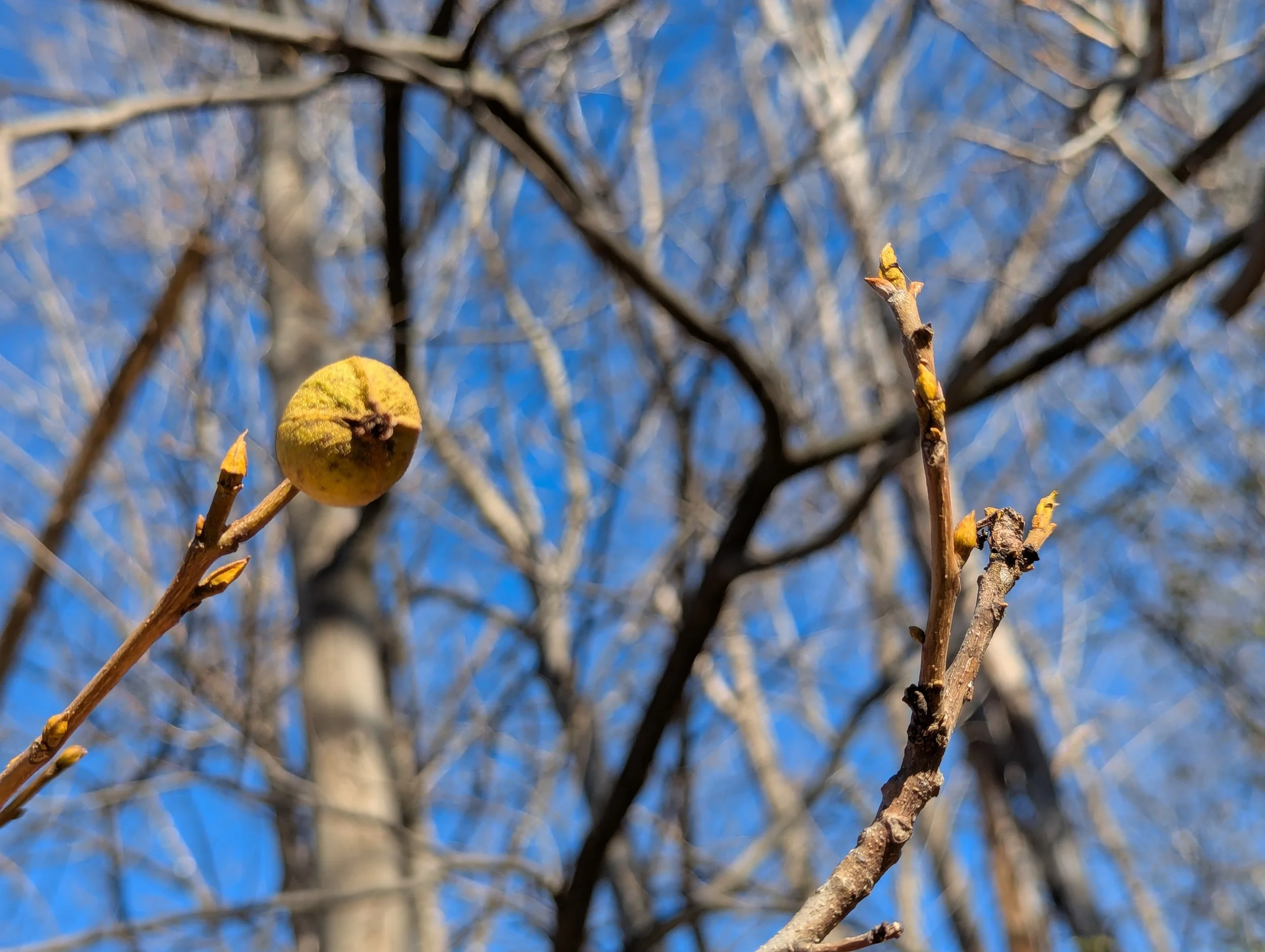
Bitternut hickories start dropping in early September and can continue to fall until early November. Peak harvest season is mid-September to mid-October.
Our Process - Roasting, Cracking and pressing
To make the roasted hickory oil, the whole nut (shell included) is toasted in the oven for 15 minutes. The flavor and aroma of the oil is significantly enhanced from this process.
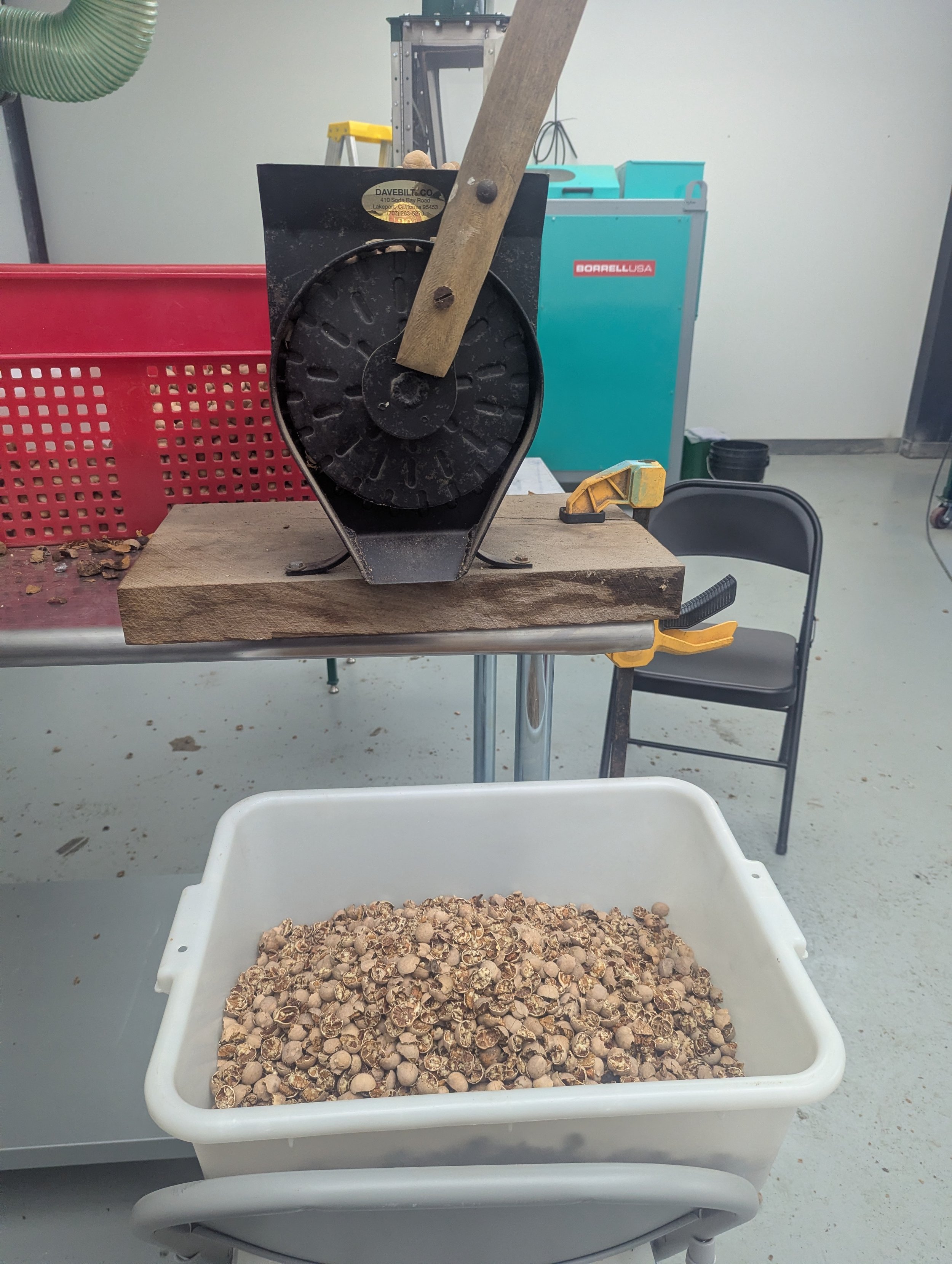
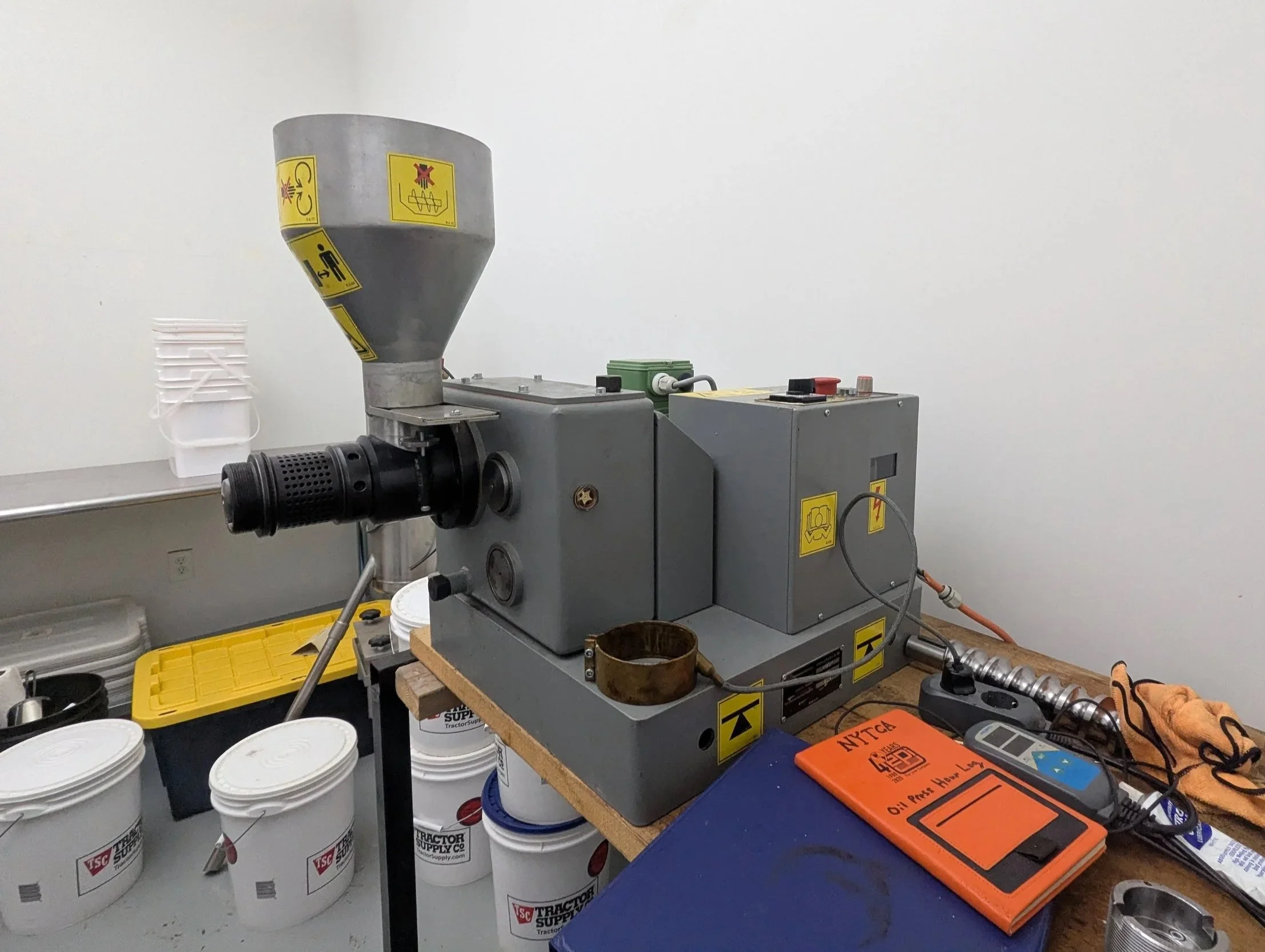
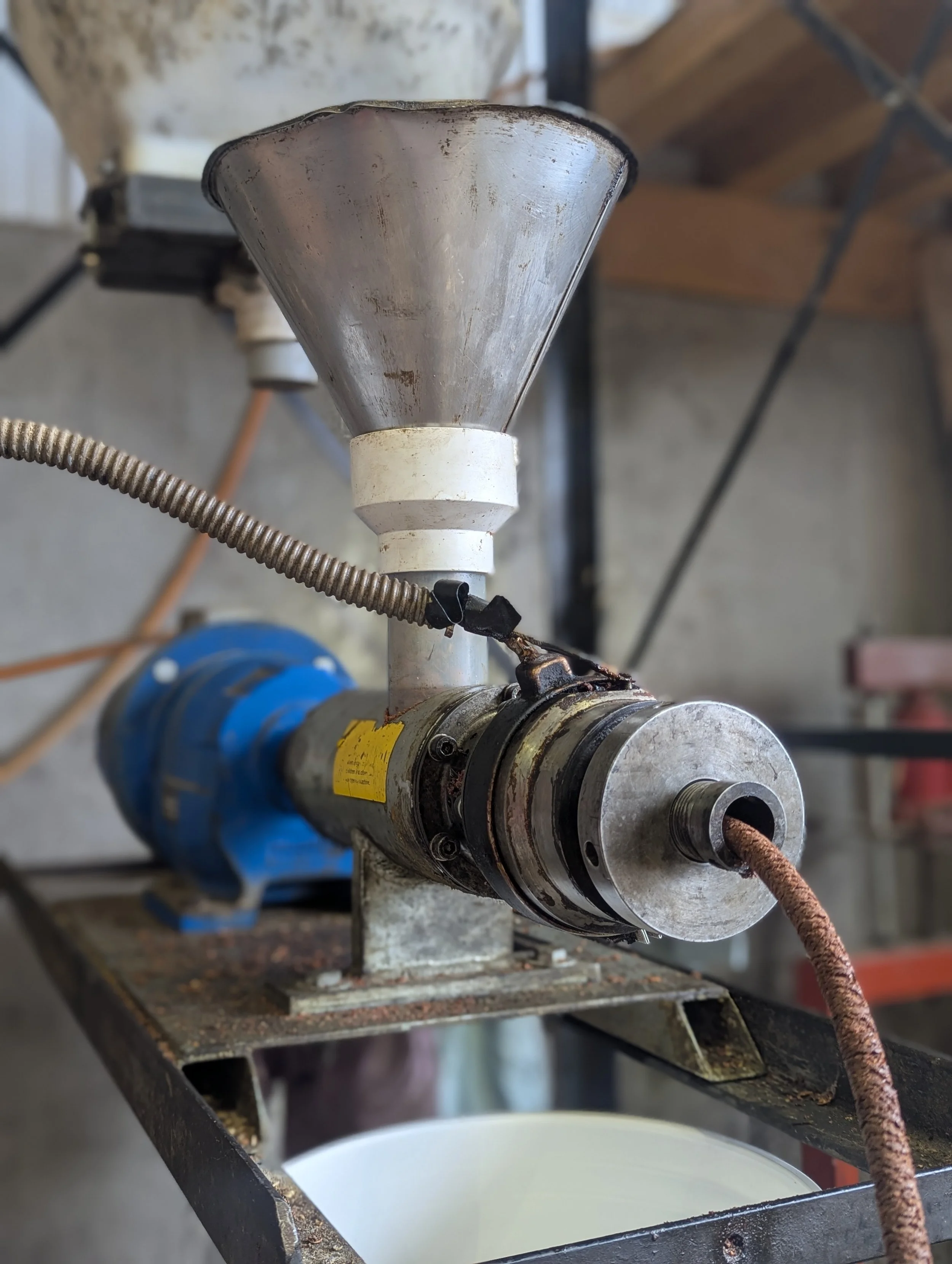
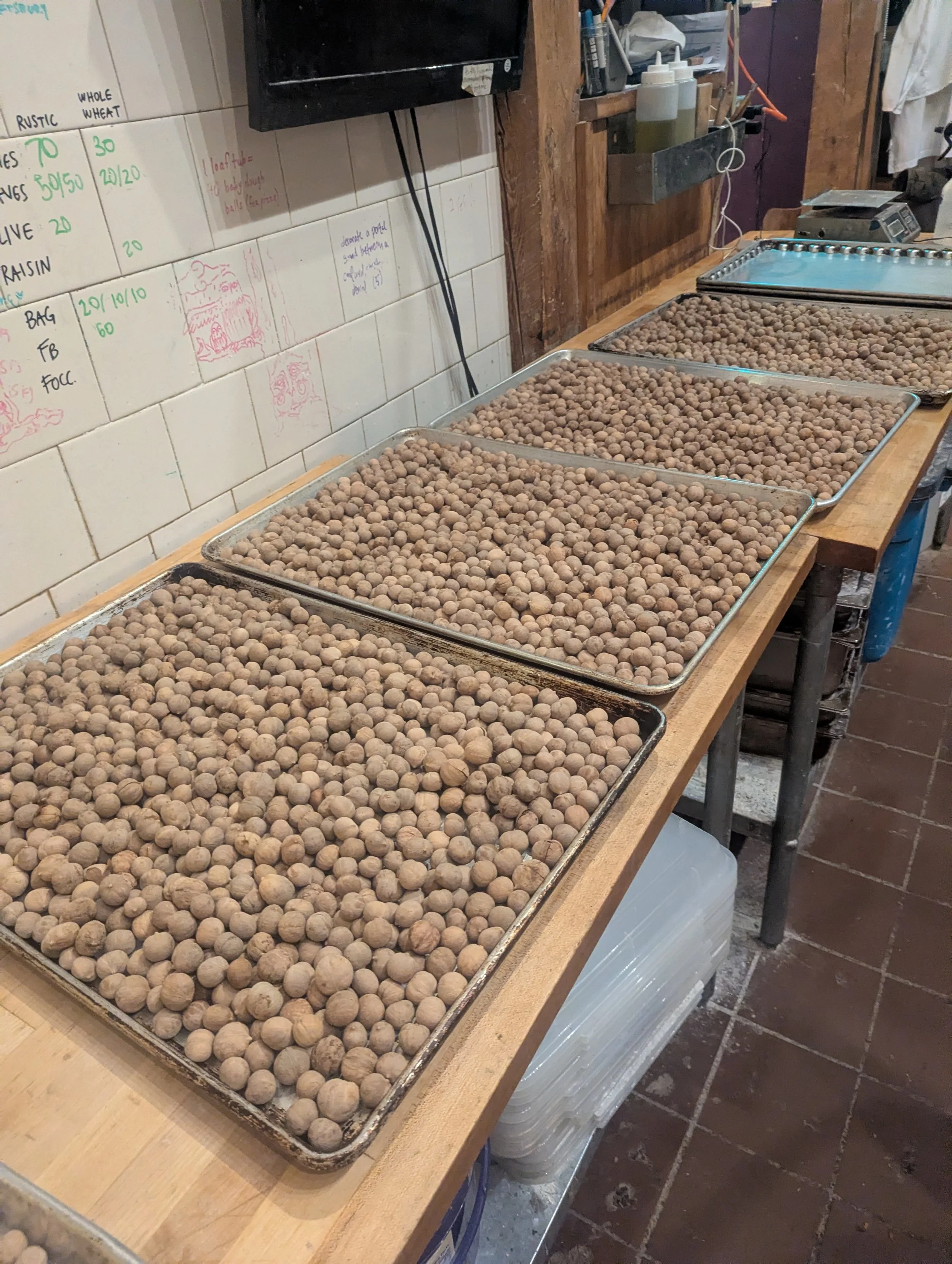
The press operates at low temperatures keeping the nutrients and natural qualities of the oil intact.
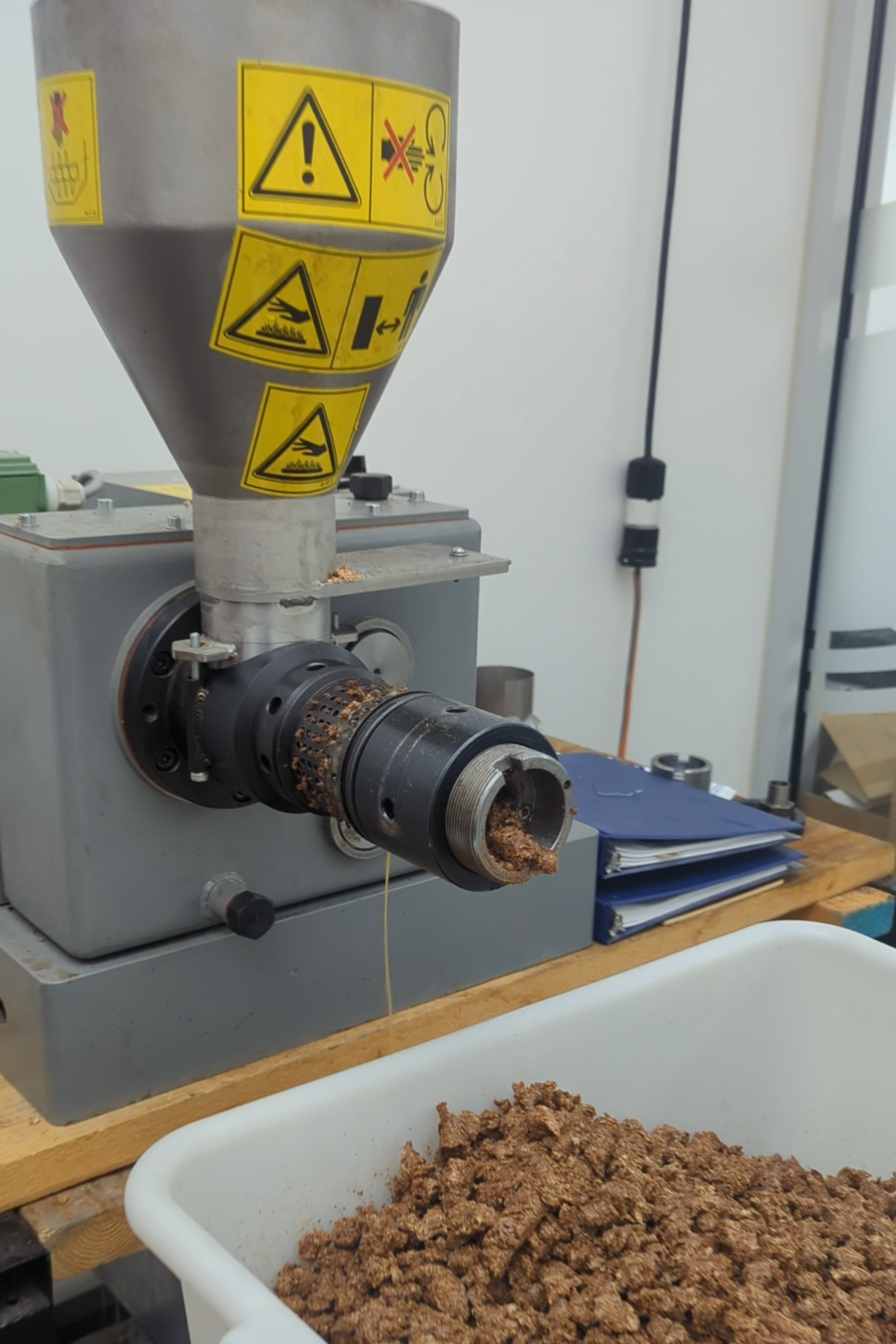
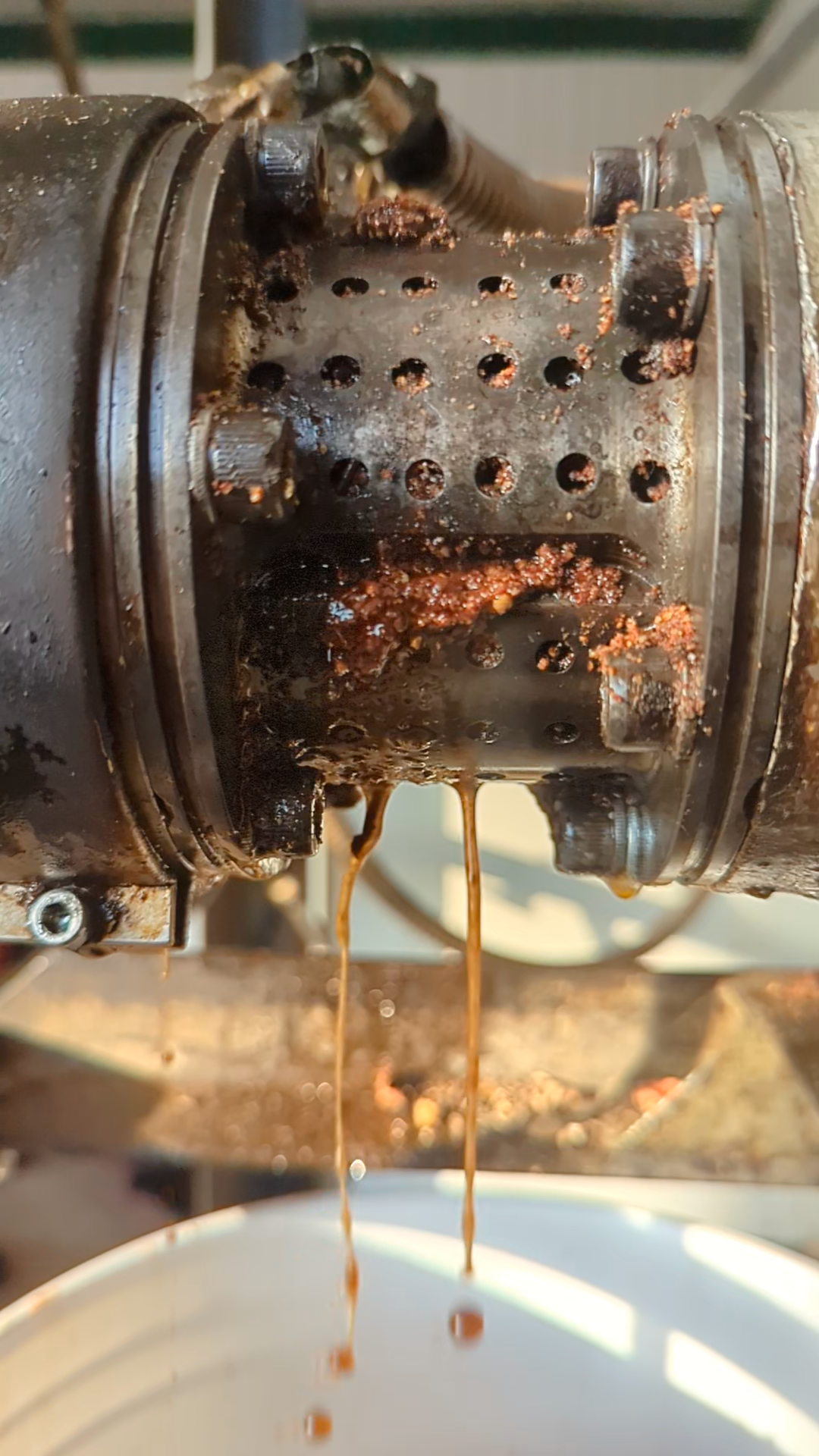
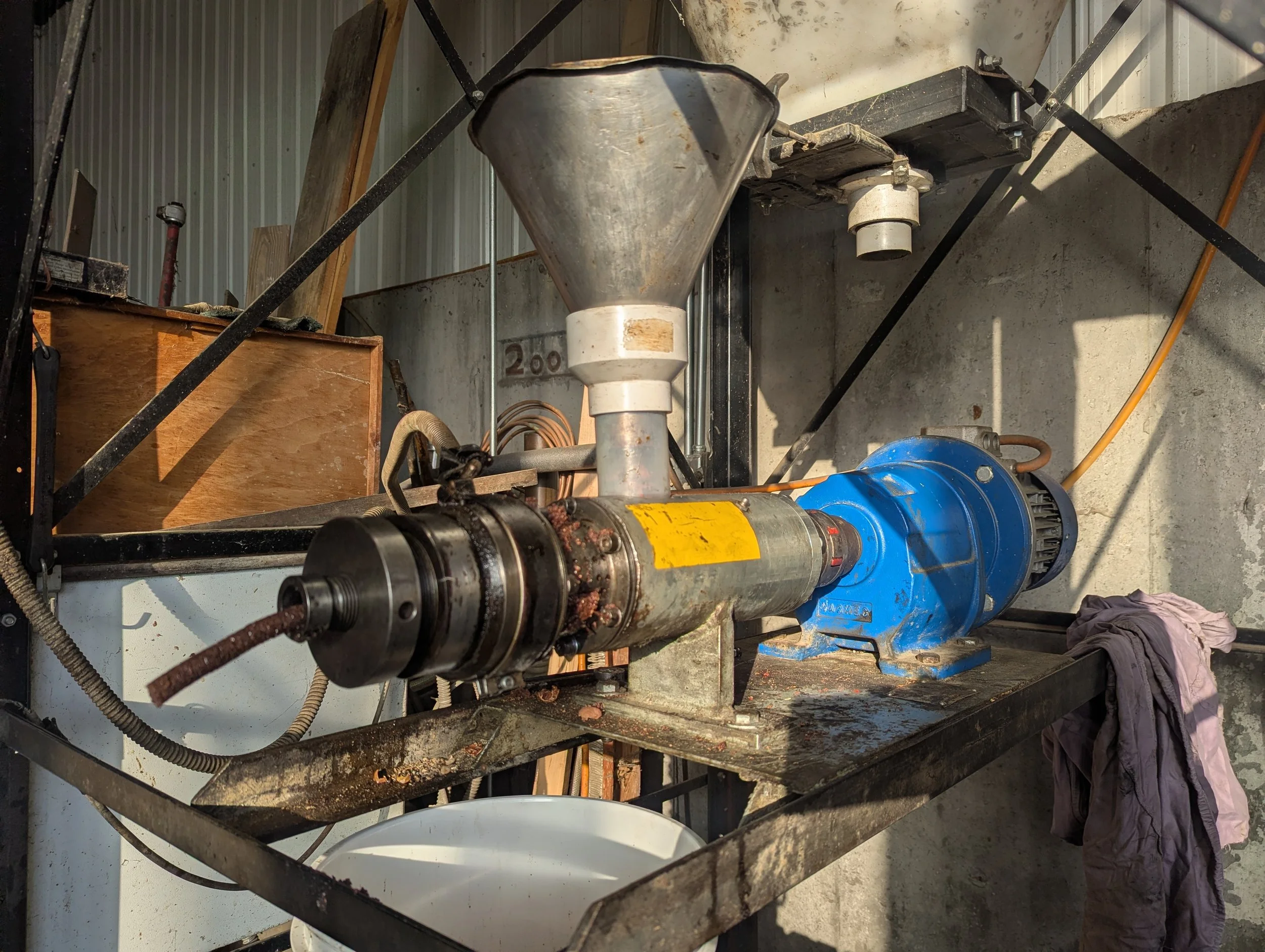
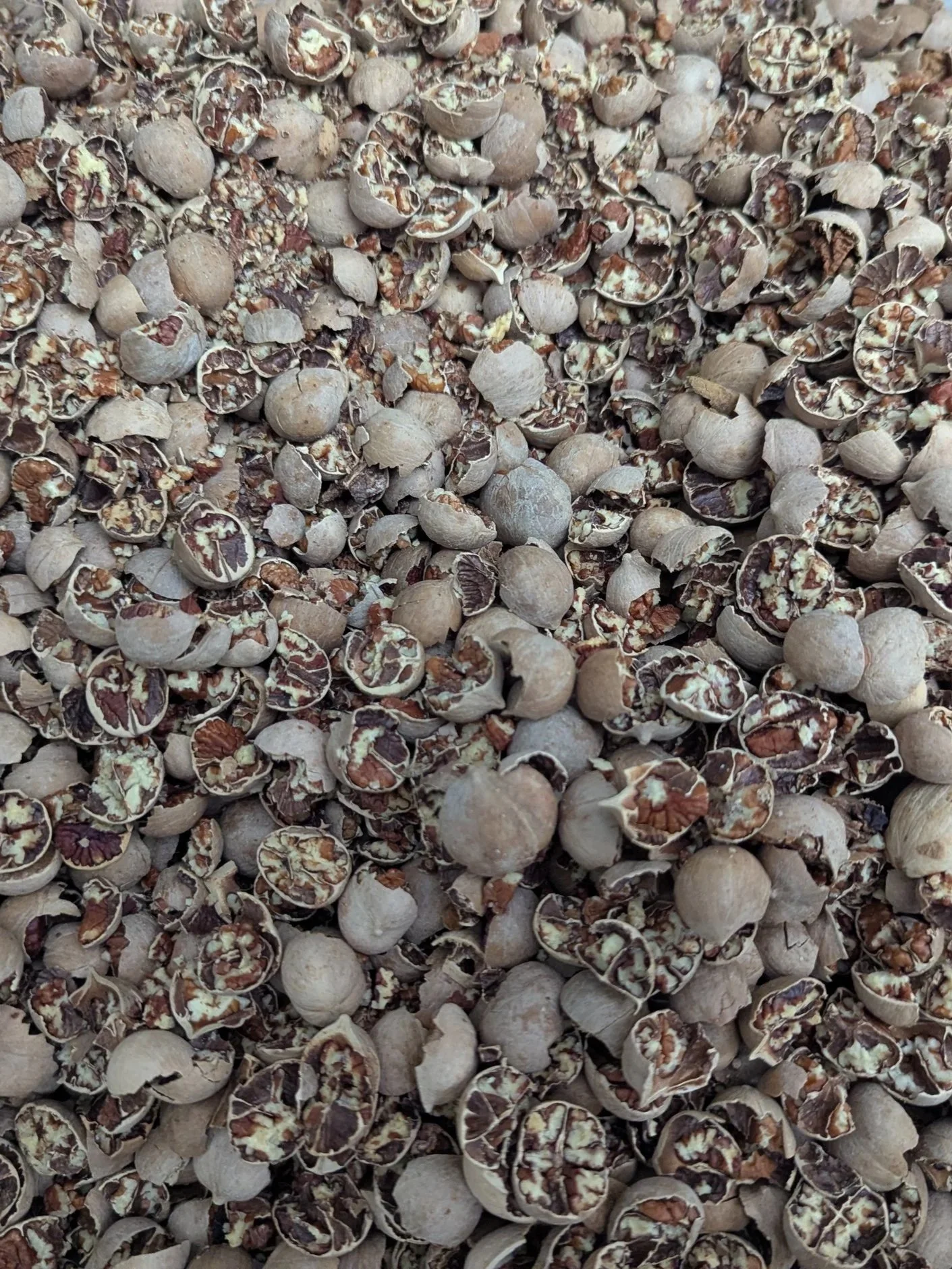
To extract the oil, a small scale, expeller screw press is used. Due to the size of the screw inside the press, the nuts need to first be cracked. They get run through a handcrank Davebilt nutcracker which cracks/crushes them allowing the nuts to flow through the hopper and into the screw of the press easier. The nutmeat and shell do not have to be separated before pressing - the press has the capability of extruding the shell out in the press cake. The thin shell is extremely advantageous and makes pressing bitternuts possible.
A German Kern Kraft 20 (kk20) oil press was used for the unroasted hickory nuts.
The Swedish Taby 70 oil press was used to press the roasted hickory nuts.